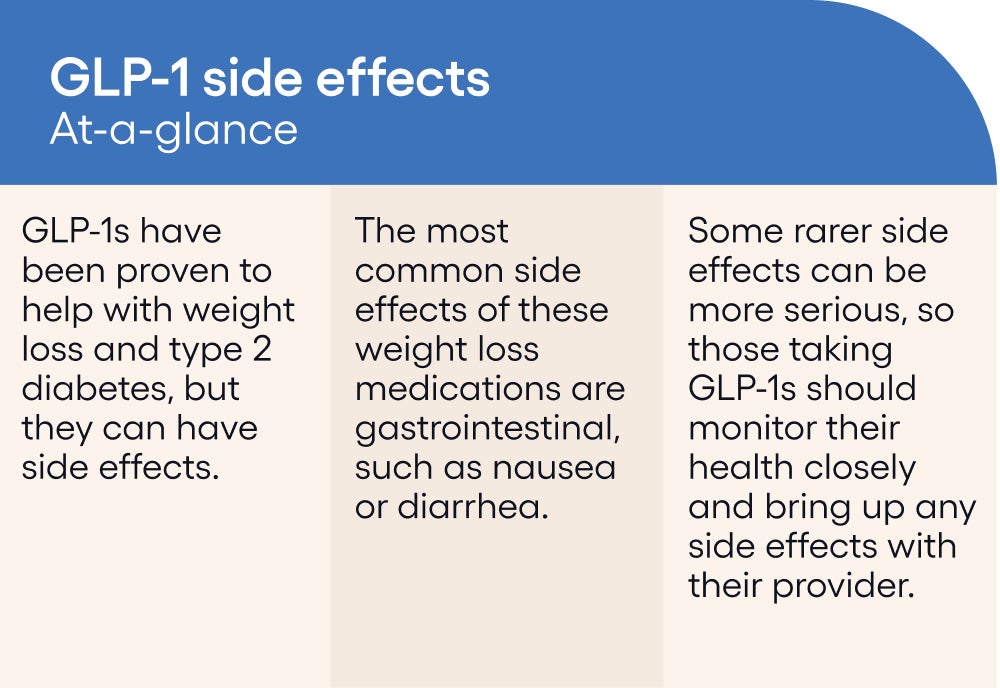
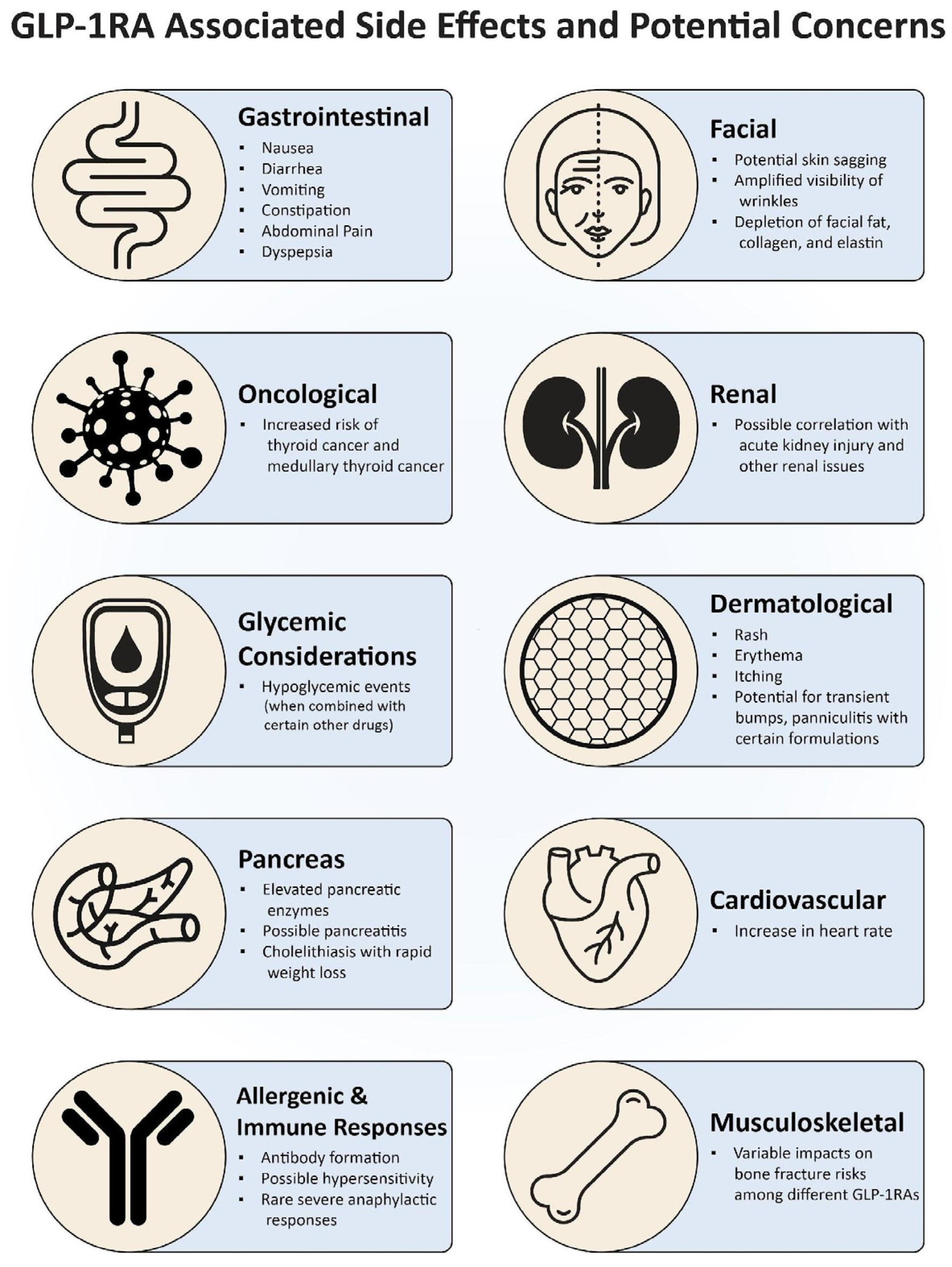
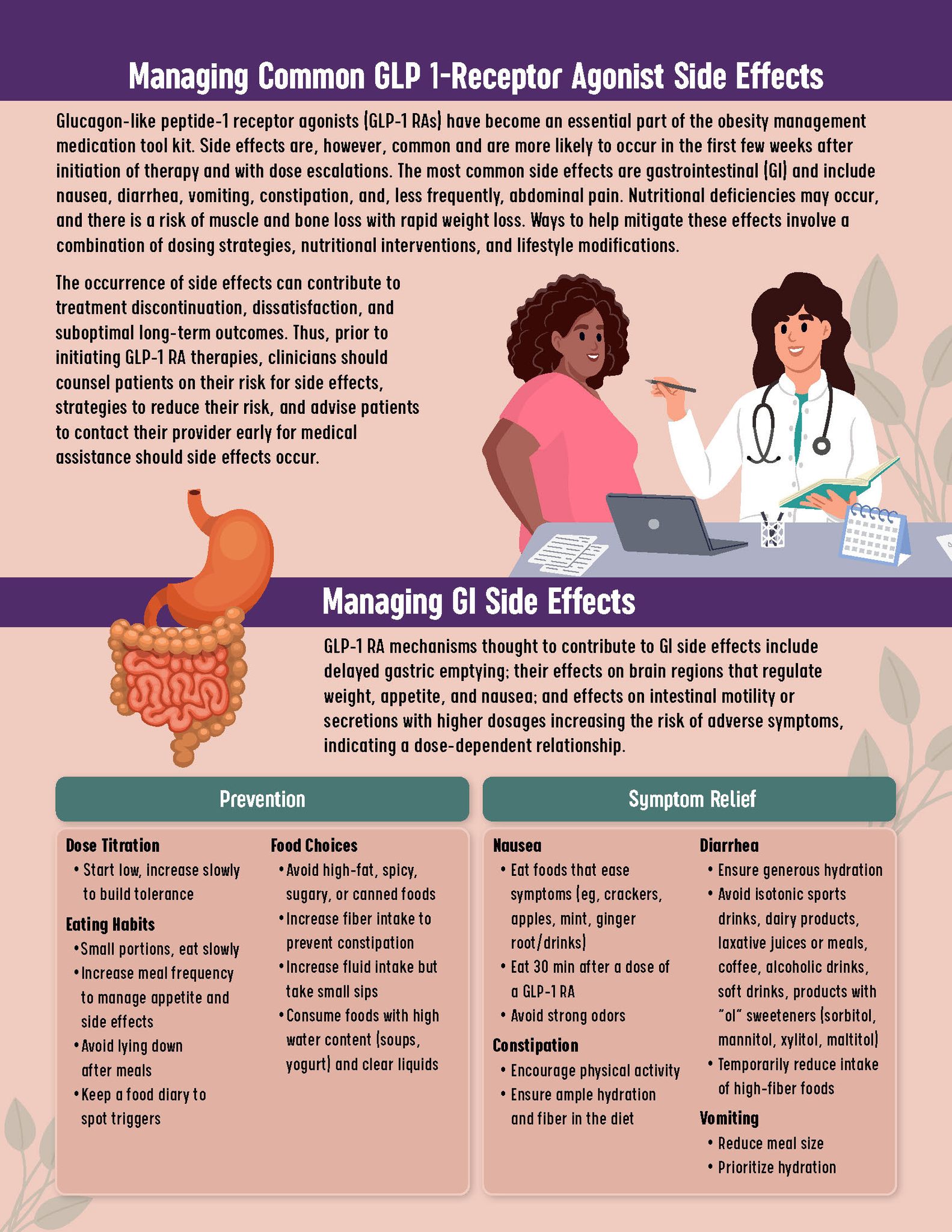
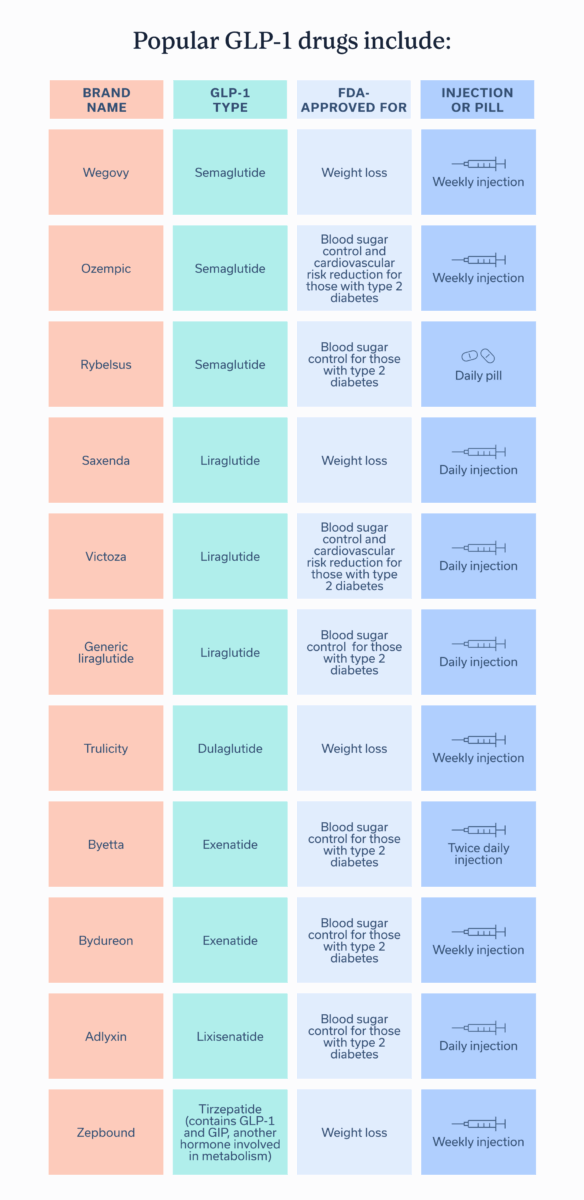
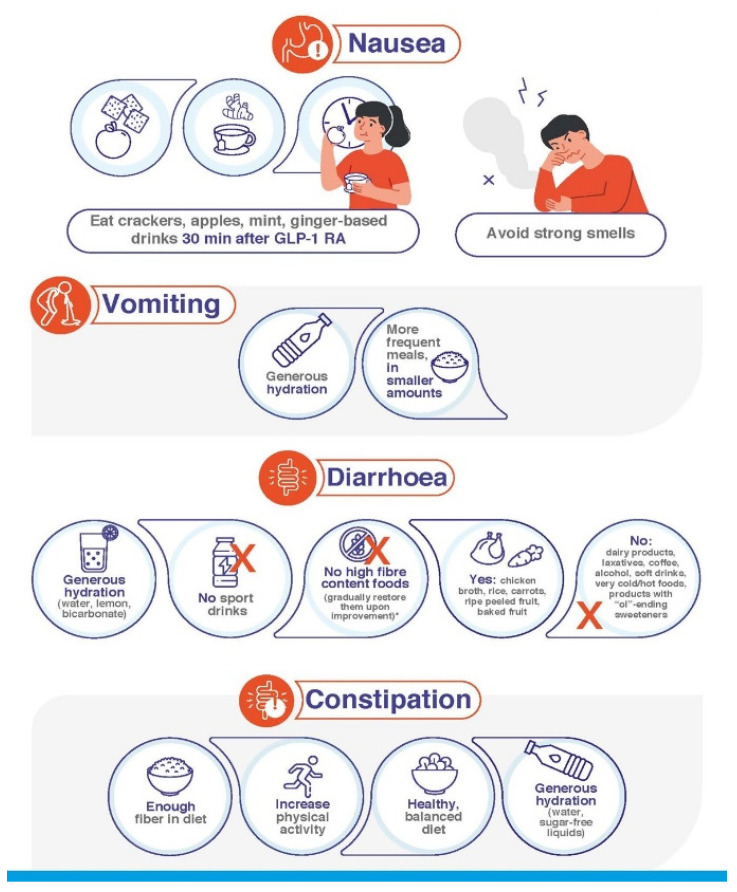
Gastrointestinal Very common (10% or more): Gastrointestinal adverse reactions (up to 73%), nausea (up to 44%), vomiting (up to 36%), diarrhea (up to 30%), constipation (up to 24.2%), abdominal pain (up to 20%) Common (1% to 10%): Dyspepsia, abdominal distension, eructation, flatulence, gastroenteritis, gastroesophageal reflux disease, gastritis, viral gastroenteritis, increased amylase, increased lipase, dry mouth, severe gastrointestinal adverse reactions, delayed gastric emptying Uncommon (0.1% to 1%): Acute pancreatitis, appendicitis Frequency not reported : Hemorrhoids, hiccups Postmarketing reports : Ileus, intestinal obstruction, severe constipation, hiccups, acute pancreatitis, necrotizing pancreatitis In clinical trials in adults using the subcutaneous injection for weight reduction, 73% of treated patients reported gastrointestinal adverse reactions, including severe reactions (4.1%)

By addressing these broader factors, we can prevent obesity in the first place and make it easier to treat for those already affected." Specifically, Smith said that access to affordable whole foods that free from harmful additives, pesticides and dyes, was essential, and as was reversing the current food system's prioritization of "unhealthy, addictive ultra-processed foods." Other treatments also had a role to play, said Smith, including bariatric surgery which he said had been "shown to offer better long-term outcomes" than GLP-1 drugs
Managing blood pressure
Because Katherine Tuttle is an author of this paper and an editor of the Clinical Journal of the American Society of Nephrology , she was not involved in the peer review process for this manuscript
Preparing for a baby is about more than just a positive ovulation or pregnancy test



:max_bytes(150000):strip_icc()/VWH-GettyImages-2158519129-372ed708fbbb4c6e9f472a8218cd52ee.jpg)